The Fitting Room
Capes, hats and a leather house of 1846: Madrid, made by hand
Capes since 1901, a traditional hatter, fans since 1823 and the leather house LOEWE began as.
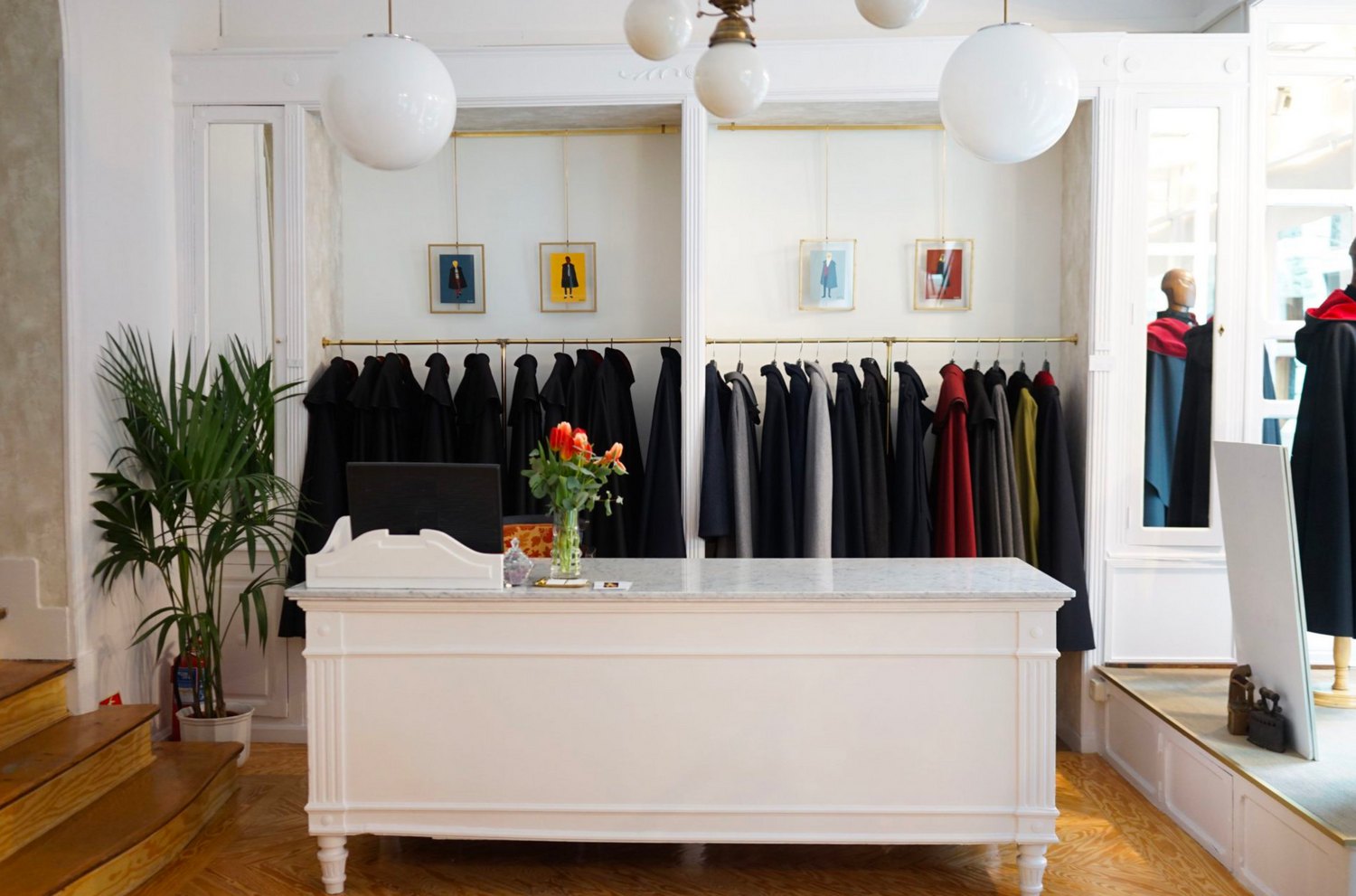
Photo Credit
Image courtesy of © Capas SeseñaIs there a Madrid way to dress? Not a uniform, but a wardrobe of things made by hand a few streets apart: a cape cut since 1901, a hat shaped on the block, a fan from a shop of 1823 and a leather house that began as a collective of artisans in 1846. Here are the makers, what they make and how to wear it, checked against their own pages in November 2026.
The cape, cut to measure
Madrid is one of the few capitals where a cape is a sensible winter coat and a fan a sensible summer accessory. Capas Seseña has sold capes since 1901 and still makes them by hand in Madrid, for men and women. Its made-to-measure service is called Caprice Seseña, and it works with outside designers on collaborations; the classic collection is the one to know.
The house still moves with the seasons: its recent collections are named Nîmes (2025) and Mantidae (2024), and it has worked with By La Condesa, By Antelo and Alonso Pardal. A cape of 1901 and a collaboration of this decade hang on the same rail, which is how a heritage house stays out of the museum.
The house is generous with its list of shoulders: Pablo Picasso, Luis Buñuel, Hemingway, Federico Fellini, Catherine Deneuve, Jane Fonda, Paloma Picasso, Carolina Herrera and Jeremy Irons among them. Wear one the Madrid way, thrown over a dark suit or a plain coat-length dress, and resist the urge to swirl it. The cape does the drama; the wearer does not need to.
On the block
A few streets away, Sombrerería Medrano is a traditional hatter near the Plaza Mayor, with a promise of tradition and craft handed down generation after generation. The shop’s own photographs show hats still being finished by hand at the bench. A good hat is the one accessory that tells people you planned the day; a Madrid winter, dry and bright, gives it every excuse.
For the hand, Casa de Diego on the Puerta del Sol, founded in 1823, sells fans of its own making with umbrellas, parasols, canes, shawls, mantillas and castanets; most of the stock is only in the shop. For the feet, Casa Hernanz below the Plaza Mayor has sold espadrilles since 1845, alongside linen, cotton, rope and wicker baskets, and the shop credits Yves Saint Laurent with taking them from the field to the wardrobe in the 1970s.
Madrid is one of the few capitals where a cape is a sensible winter coat and a fan a sensible summer accessory.
Leather since 1846
LOEWE began in Madrid in 1846, when a collective of leather artisans set up a workshop on Calle del Lobo making small leather goods: purses, wallets, cigarette and jewellery cases and picture frames. In 1872 a German leathermaker, Enrique Loewe Roessberg, took charge and gave the house his name, and late in the century a larger shop and workshop opened on Calle del Príncipe as a “factory of fine leather goods”.
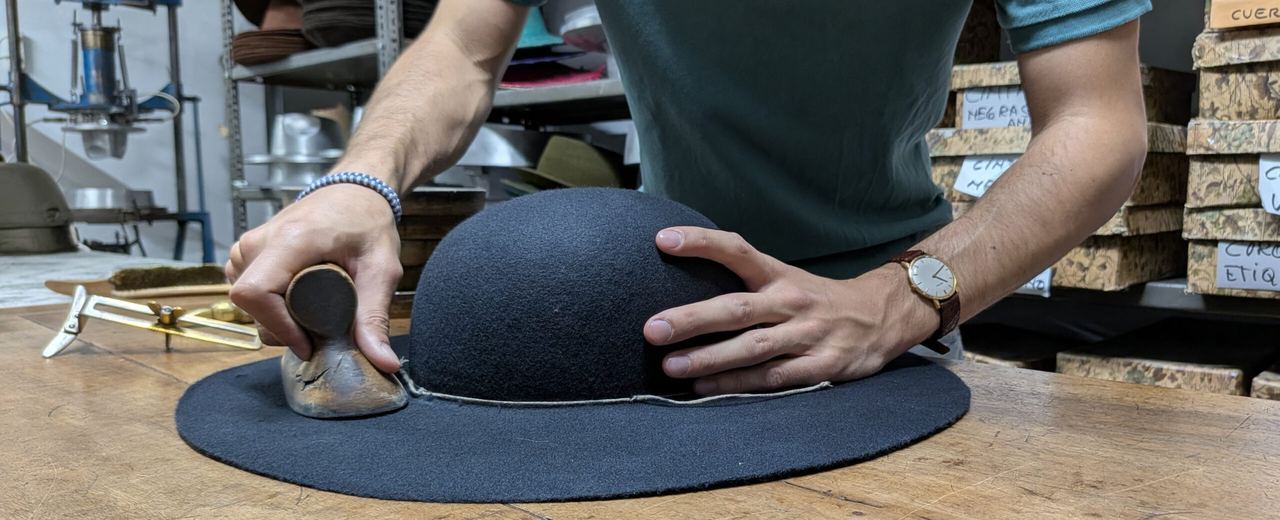
Photo Credit
Image courtesy of © Sombrerería MedranoToday its Madrid flagship, Casa Loewe, is on Calle de Serrano, a short walk from the other houses of the Salamanca grid. A house that began with cigarette cases and picture frames now fills its Serrano windows with bags, which is one way to measure 180 years.
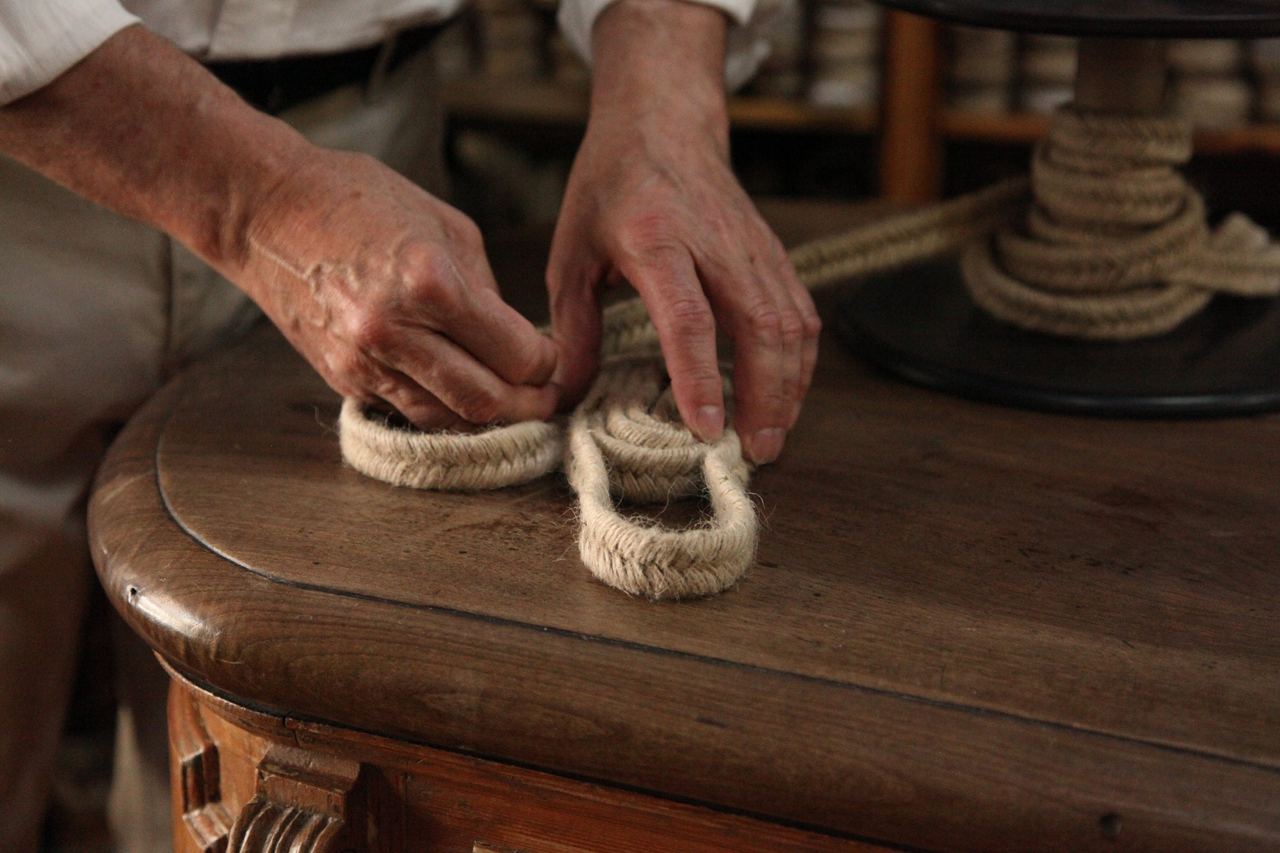
Photo Credit
Image courtesy of © Casa HernanzSo what does a well-dressed visitor need from Madrid? Less than the shops would like: one thing that could only have been made here. A Seseña cape for a winter evening at the Teatro Real, a pair of Hernanz espadrilles for July, a fan from Casa de Diego for the stalls. The rest of the wardrobe can travel from home.
Our advice: visit the makers around Sol on a weekday morning, when there is time to try things on properly, and leave Serrano for the afternoon.
Why it's on our list
- The cape, cut to measure
- On the block
- Leather since 1846
Location
The map comes from Google Maps, which sets its own cookies once it loads.
More in depth
 The Fitting RoomForty shoemakers in thirty-five cases: the season starts at the feet“La moda a tus pies” at the Museo del Traje, to 31 January 2027, and where to shop the shoes.
 The back storyCocido in clay pots and a dining room of 1725: how Madrid eatsA three-star kitchen, cocido and a dining room of 1725.
 The back storyThe Madrid table: ten dishes, wines and spiritsCocido, squid rolls, churros and Sunday vermouth.