The back story
Capes, fans and the Sunday Rastro: Madrid shopping, the back story
A market of 1740, fans since 1823, espadrilles since 1845, capes since 1901 and Loewe since 1846.
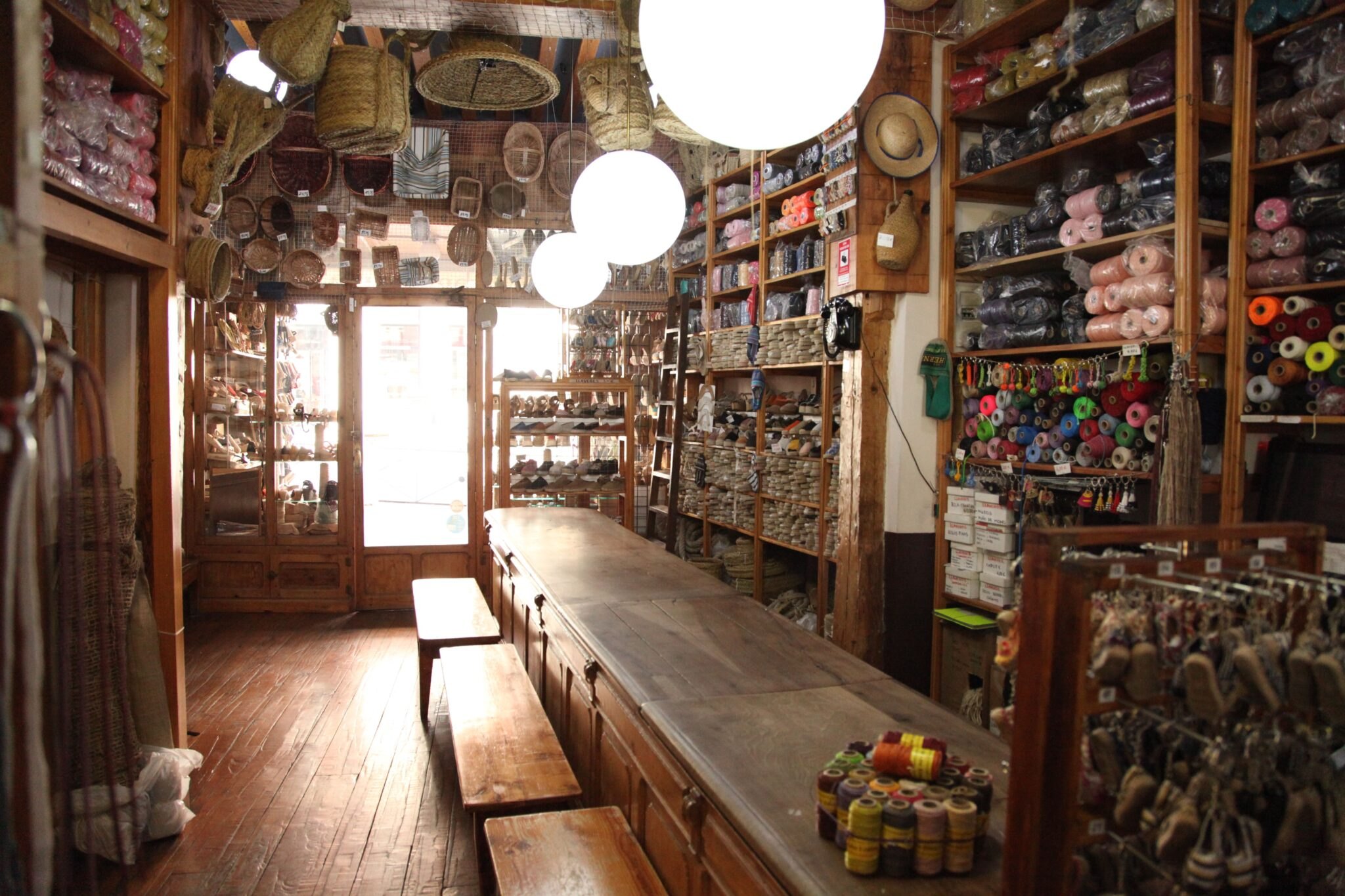
Photo Credit
Image courtesy of © Casa HernanzEvery capital sells the same handbags; Madrid still sells what it made. Around the Puerta del Sol and the Plaza Mayor, shops founded in the 1820s and 1840s trade from their original rooms, a Sunday market goes back at least to 1740, and an iron market hall of 1882 still feeds Salamanca. Here is the history behind the city’s shopping, and the order in which to do it.
A market older than the shops
Documents mention El Rastro as early as 1740, says the city’s tourist office, and the name is a clue to its age: in the 16th century “rastro” meant a butcher’s or a slaughterhouse, and one explanation is the trail livestock left on the ground from a nearby abattoir. Every Sunday and public holiday, from 9am to 3pm, more than a thousand traders spread out from the Plaza de Cascorro.
The Rastro sets the tone for shopping in Madrid: the old trade is still trading, often in the same rooms. The question worth asking is not where to find a luxury label, which every capital can answer, but where to find what Madrid itself made. The answer starts around the Puerta del Sol and the Plaza Mayor, within a few minutes of each other.
Fans, rope and espadrilles
Casa de Diego on the Puerta del Sol was founded in 1823 and still sells fans of its own manufacture, umbrellas, parasols, canes, shawls, mantillas and castanets. Its website admits to showing only about one per cent of what is in the shop, which is the most honest sentence in Spanish e-commerce.
Below the Plaza Mayor, Casa Hernanz has opened its doors since 1845, when the artisan Toribio Hernanz began selling espadrilles and farm tools to country workers. Four generations later the shop on Calle de Toledo still smells of jute and esparto. Its early customers included the Banco de España and Correos, which tied their parcels with its rope; the shop credits Yves Saint Laurent with bringing the espadrille into fashion in the 1970s.
Capes for dramatic exits
Capas Seseña has sold capes since 1901 and still makes them by hand in Madrid, for men and women, with a made-to-measure service. The shoulders it names include Pablo Picasso, Luis Buñuel, Hemingway, Federico Fellini, Catherine Deneuve and Jeremy Irons. A cape, it seems, is the one garment that makes anyone look as though they are about to leave dramatically.
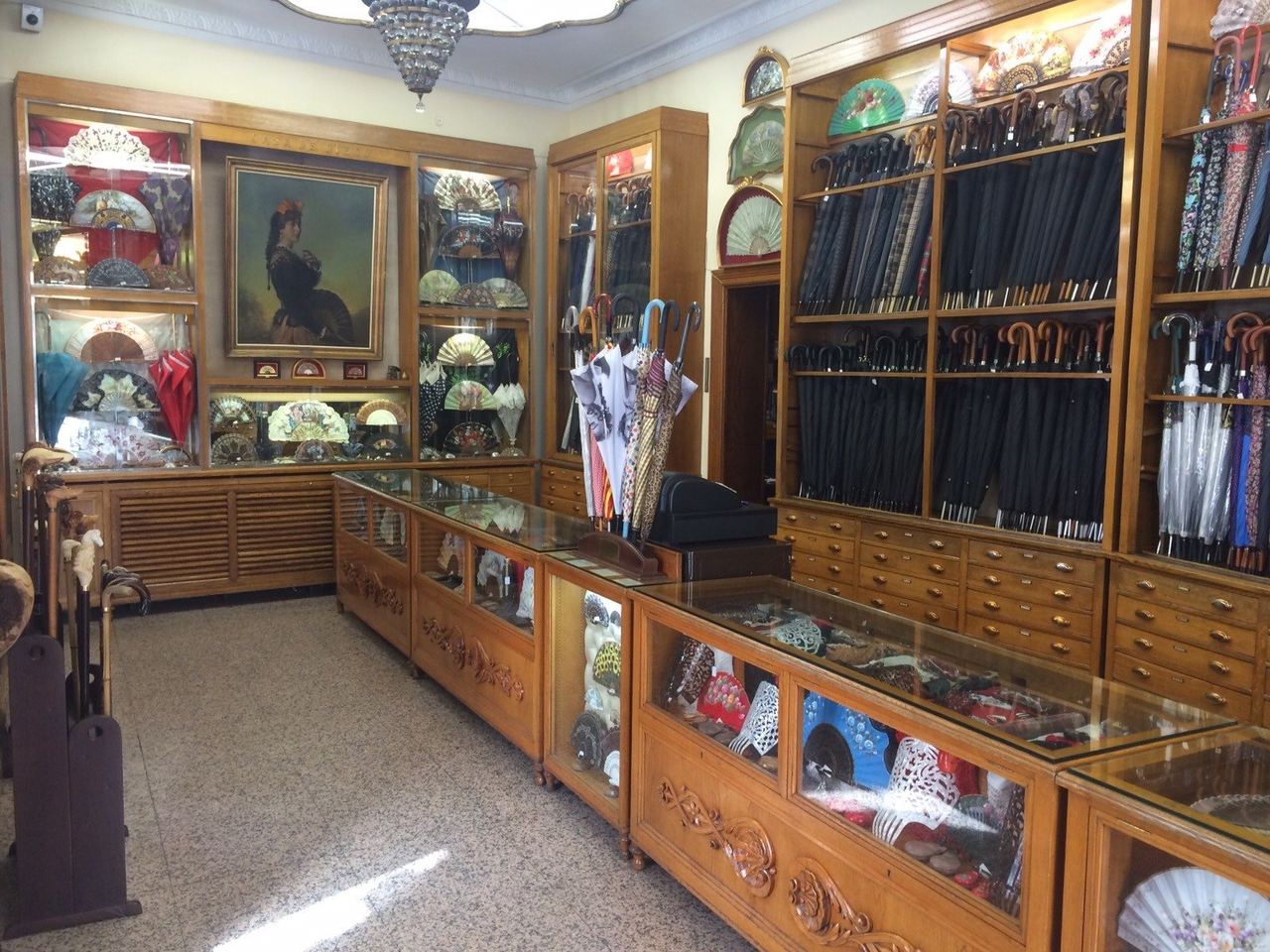
Photo Credit
Image courtesy of © Casa de DiegoSweetness has its own founding legend. Casa Mira was opened by Luis Mira, a master turrón maker from Jijona, and the shop tells how he had to start his journey to Madrid four times over because he kept selling out of turrón on the way. It calls itself the oldest workshop in the city, which, for a shop that sells nougat, is a serious boast.
A cape, it seems, is the one garment that makes anyone look as though they are about to leave dramatically.
Leather, iron and glass
LOEWE began in Madrid in 1846 as a collective of leather artisans with a workshop on Calle del Lobo. In 1872 a German leathermaker, Enrique Loewe Roessberg, took charge and gave the house his name. Its Madrid flagship, Casa Loewe, stands on Calle de Serrano, in the Salamanca grid where the international houses now gather, along Serrano, Ortega y Gasset and Jorge Juan.
The markets are the other half of the story. The Mercado de la Paz in Salamanca opened in 1882 in iron and still sells food from Monday to Saturday. The Mercado de San Miguel beside the Plaza Mayor was inaugurated as a food market more than a century ago and now serves as a food hall until midnight, and until 1am on Fridays and Saturdays.
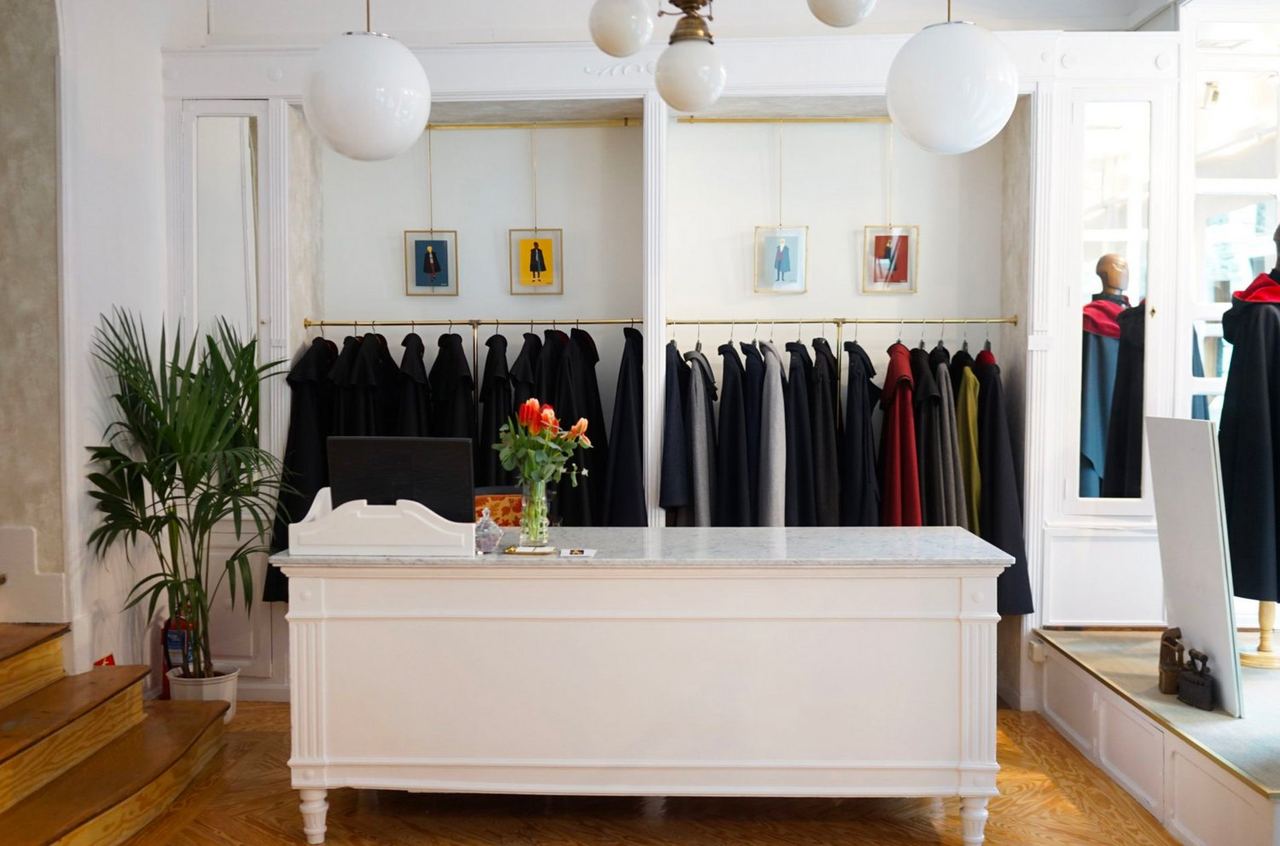
Photo Credit
Image courtesy of © Capas SeseñaGalería Canalejas, the newest chapter, gathers Cartier, Dior, Hermès, Louis Vuitton, Rolex and Valentino in a monumental complex between Sol and the Paseo del Prado, open from 10.30am to 8.30pm, and on Sundays from noon. Under one roof, the world’s great houses; around the corner, a shop that has sold fans since 1823. Madrid is happy to keep both.
Our advice: give a weekday morning to the old shops around Sol, a Sunday morning to the Rastro (early, with a bag that zips), and the afternoon to Salamanca or Galería Canalejas. Buy the fan; you will use it in July.
Why it's on our list
- A market older than the shops
- Fans, rope and espadrilles
- Capes for dramatic exits
- Leather, iron and glass
Location
The map comes from Google Maps, which sets its own cookies once it loads.
More in depth
 The back storyToledo, Segovia and El Escorial: day trips by train from MadridToledo, Segovia, El Escorial and Ávila by train.
 Coming soonComing soon: the tech the makers have promisedOfficially announced tech, from Gemini glasses to Meta's VR specs, plus the newest arrivals.
 CompareAirPods Pro 3 vs the rest: noise-cancelling earbuds comparedAirPods Pro 3 against AirPods 5, Sony WF-1000XM6 and Bose QuietComfort Ultra Earbuds.