Objects of Desire
Pichichi’s brick and a neo-baroque crown: Madrid’s restored addresses
A 20th-century master’s building in Salamanca and a neo-baroque icon on Infantas, made into homes.
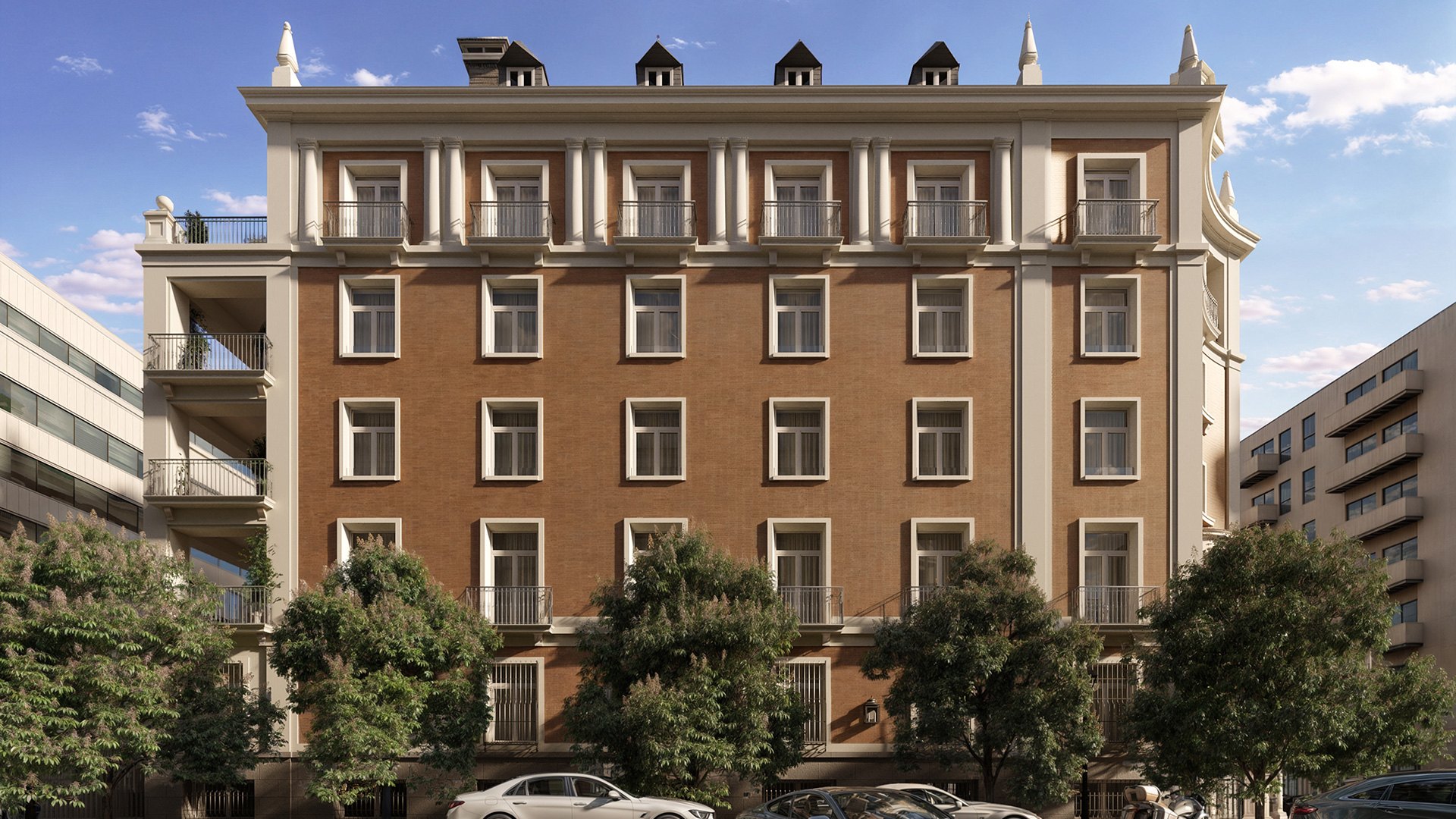
Photo Credit
Image courtesy of © Banyan Tree Padilla Madrid ResidencesWhy does Madrid’s finest new housing so often sit inside old walls? Because the city protects its façades, and the brands have learned to treat a listed building as the luxury itself. Two addresses show how: a brick building by Luis Gutiérrez Soto on Calle de Padilla, and a neo-baroque landmark on Calle de las Infantas. No prices here; only the buildings, from the developers’ own pages.
The architect called Pichichi
Luis Gutiérrez Soto (1900–1977) was one of the architects who shaped 20th-century Madrid, responsible for more than 400 projects: homes, cinemas, public buildings and infrastructure. He went by the nickname “Pichichi”, which is the kind of detail a city remembers longer than an elevation drawing. Few architects have left more of their handwriting on the city’s streets.
Padilla 32
At Calle de Padilla 32, one of his buildings has become Banyan Tree’s first branded residences in Spain: 24 homes, all facing outwards, with one to four bedrooms. The restoration, led by the architect Julio Touza Sacristán, keeps the protected features, from the imposing façade and the mouldings to the grand windows, and adds what the brand calls its calm: a spa and pool, a sauna and a fully equipped gym.
The developers describe the building as a lasting symbol of the Salamanca district, and see in it his move towards a more modern, functional style without losing the classic manner. Behind it stands Persepolis Investments, a Spanish fund that specialises in high-end projects, with the consultancies Knight Frank, whose Spanish arm is in our Property list, and Colliers named on the project team.
Infantas 40
On the other side of the Paseo de Recoletos, in Justicia, SLS Madrid Infantas Residences turns a neo-baroque icon at Calle de las Infantas 40 into homes. The interiors keep a classical vocabulary: period-style doors and windows with brass detailing, generous ceilings with white crown mouldings, grey travertine floors and walls, mirrored timber wardrobes with brass ironmongery and a full suite of Gaggenau appliances.
The building is run on hotel lines. Housekeeping and the upkeep of the shared spaces come with the home; on call, at extra cost, are a glam squad for hair and make-up, dry cleaning and tailoring, wardrobe archiving, event planning and an in-residence mixologist or sommelier. The mixologist is on call, at additional cost; the travertine is included.
Inside the building, residents share the SLS Social House, with a library, a pantry, a wine cellar and a private dining room, as well as an indoor pool, a fitness studio and a screening room. The plan reads like a private club that happens to have bedrooms upstairs, which, in a neighbourhood of late nights, may be exactly the point.
The mixologist is on call, at additional cost; the travertine is included.
The brand reaches beyond the front door. Owners are invited to Diamond status in Accor’s ALL loyalty programme, with a VIP desk for travel planning and automatic upgrades, subject to availability, at more than 5,500 hotels and resorts, for as long as they own an Accor-branded home. Few Madrid addresses come with a better room in someone else’s city.
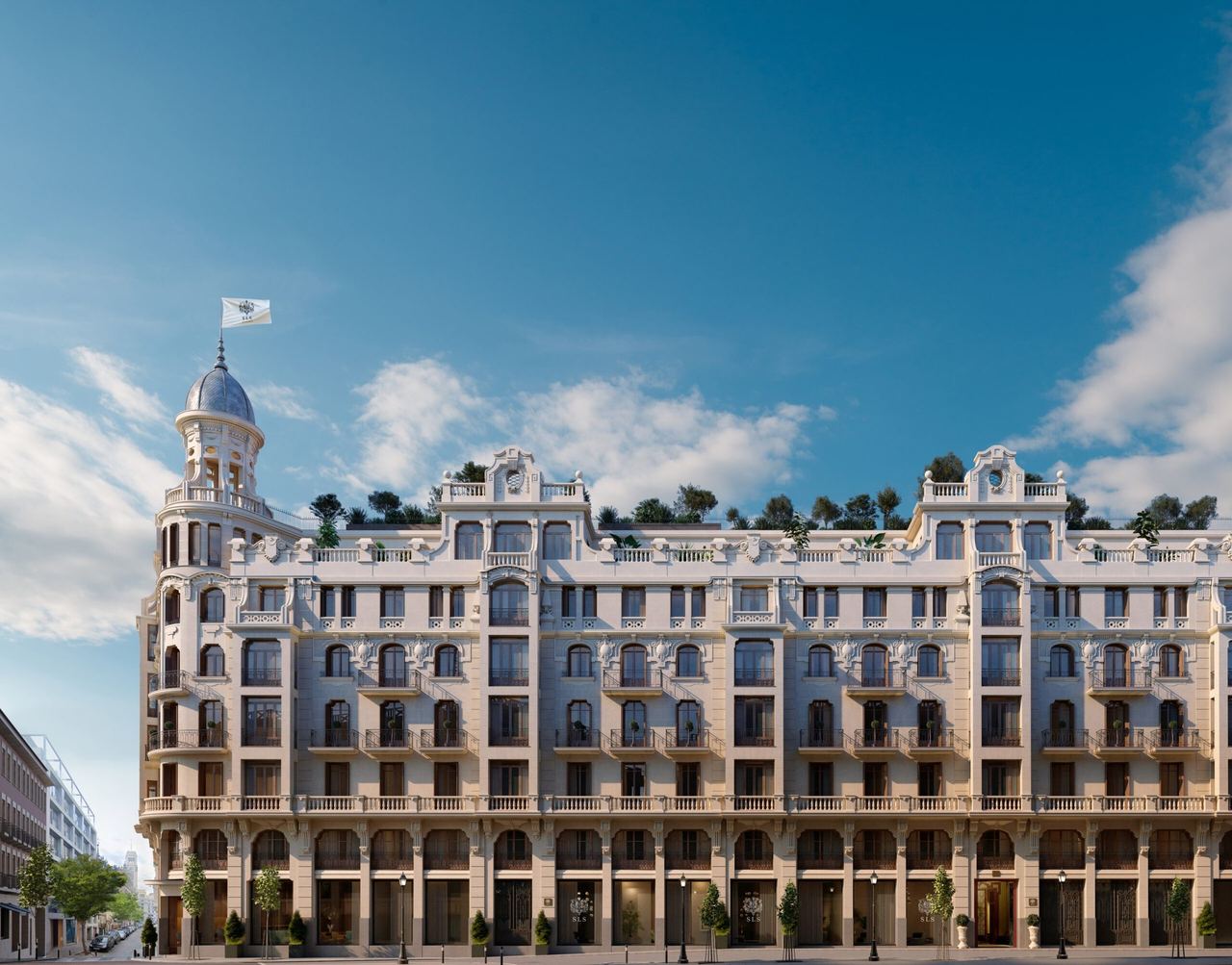
Photo Credit
Image courtesy of © SLS Madrid Infantas ResidencesThe developers’ renderings show a rooftop pool among the city’s domes and a round living room with arched windows over the roofs. They are renderings, and should be read as such; the façade is the part Madrid already knows. The question the two projects answer is the one this section began with: in a city this protective of its streets, the most desirable new address is very often an old one.
Our advice: look at both buildings from the street first; the façades are the part no rendering can improve. For the buying process, from notaries to the Land Registry, read our Property guide before you speak to an agent.
In Spain a property sale is signed before a notary, and the Land Registry and the Cadastre are where you check who owns a building and how it is described: dull reading, and the most valuable you will do. The renderings sell the dream; the registers tell you what you are buying.
Why it's on our list
- The architect called Pichichi
- Padilla 32
- Infantas 40
Location
The map comes from Google Maps, which sets its own cookies once it loads.
More in depth
 Objects of DesireSixty millilitres of nerve: the Dry Martini, by the book and by the Gran VíaThe IBA’s Dry Martini, a barman who furnished a bar from London, and where to order one in Madrid.
 Objects of DesireLess parked than crouched: the electric Jaguar and the new supercarsJaguar’s Type 00 and Type 01, Ferrari’s first electric car and the record-breakers around them.
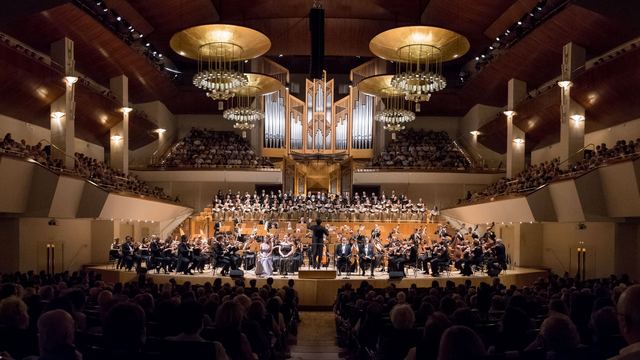 Objects of DesireSpruce, cedar and brick: how Madrid tunes its earGuitar makers since 1882, a national concert hall of 2,324 seats and jazz at the Ateneo.