Objects of Desire
Switchboards and silver screens: the Gran Vía as a machine for looking
Europe’s first skyscraper, by its own account, and a cinema of 100 years on the Plaza de Callao.

Photo Credit
Image courtesy of © Luis García (Zaqarbal) · CC BY-SA 3.0 via Wikimedia CommonsLong before the smartphone, the Gran Vía was Madrid’s great machine for looking: a telephone company’s tower that rose as a skyscraper, and cinemas built for a crowd. What do they offer a visitor in 2026? Exhibitions on how the network changed our lives, guided tours of the tower, and a centenary screen on the Plaza de Callao. Our Tech list has the gadgets; this is the hardware the city built.
A tower for a telephone
On 1 January 1930 the works on the Telefónica building on the Gran Vía were declared finished. Its architect was Ignacio de Cárdenas, the company’s own, and the Fundación Telefónica calls the result the first skyscraper in Europe. A telephone company built a tower to show how far a voice could travel, then filled it with the machines that carried it.
The tower set the scale for the avenue around it, which was built in three stages between 1910 and 1931, from Calle de Alcalá to the Plaza de España, with 22 old streets marked to disappear and a renovation completed in 2018. The tourist office lists it among the Gran Vía’s great buildings with the Metrópolis, the Casino, the Capitol and the Callao cinemas: a street of façades designed to be looked up at, which is still the best way to walk it.
Six thousand square metres of ideas
Inside, Espacio Fundación Telefónica fills 6,000 m² over four floors: exhibition rooms, an auditorium, a map room, a bookshop and a café, plus a Collections room with a kaleidoscope. A restoration led by Quanto Arquitectura, directed by Miguel García Alonso, brought back the building’s original industrial architecture, and daily guided tours reveal details of the tower and its history.
Visitors come in through the access hall to the map room, the bookshop and the café; the exhibitions climb the floors above. It is one of the few skyscrapers whose best views are inside.
The programme leans to the questions the network has raised: what artificial intelligence assistants will change in daily life, how to tell truth from a hoax, and a route through the growing impact of telecommunications on every part of our lives. It is a museum about the device in your pocket, housed in the building that made the device thinkable.
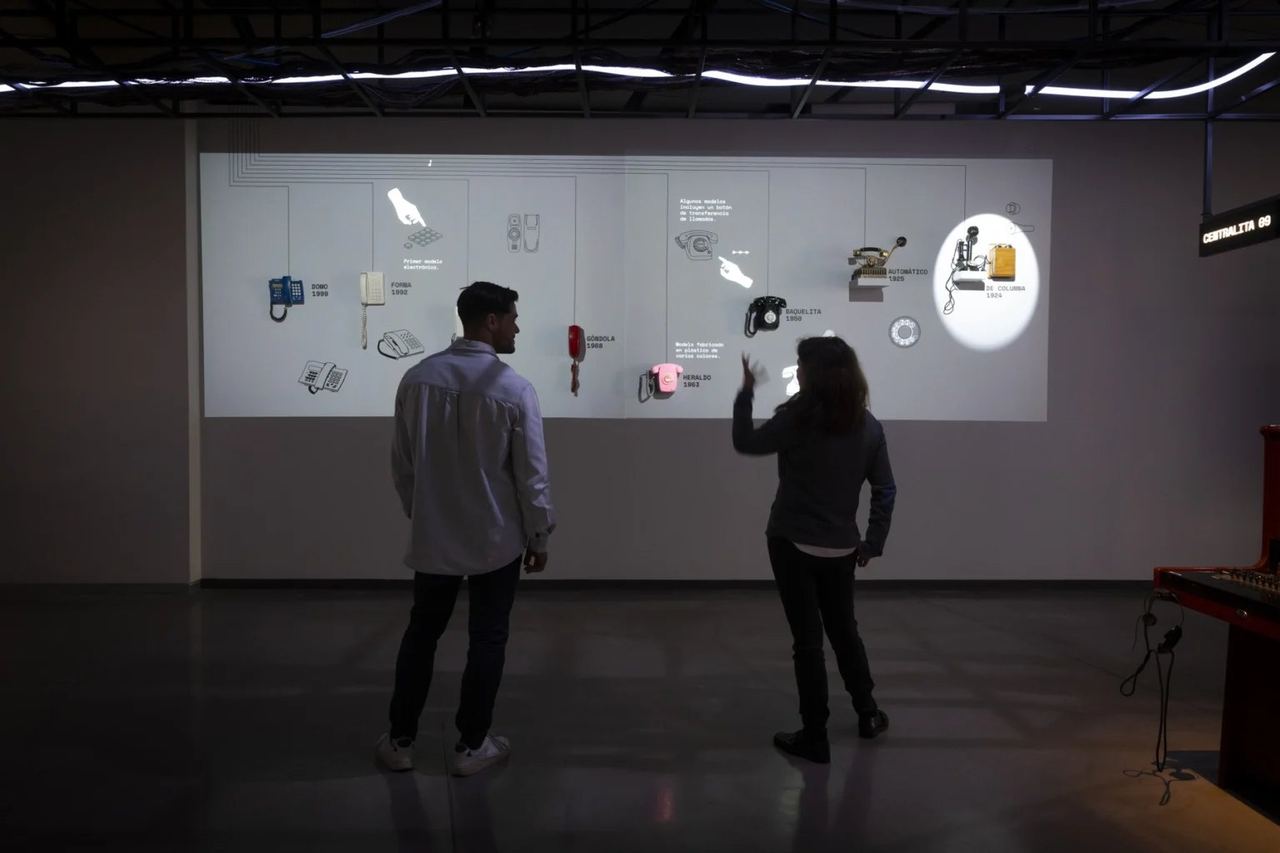
Photo Credit
Image courtesy of © Espacio Fundación TelefónicaA hundred years at Callao
A few steps north, Cines Callao is celebrating its centenary. Its own account of the century describes the building as an icon of cinema, events and outdoor advertising, and this summer it turned the Plaza de Callao into an open-air cinema to celebrate with the city. The screens show the new releases; the façade shows everything else.
A telephone company built a tower to show how far a voice could travel, then filled it with the machines that carried it.
The centenary year has kept the building busy beyond its screens. On 15 September Cines Callao held the first Callao Cine Club, a meeting point for people from film, culture and business, and it sponsored the opening party of the 74th San Sebastián Film Festival. A cinema that has outlived most of its rivals has learned that the best defence is a full diary.
For older films, the Filmoteca Española programmes the Cine Doré, a modernista cinema in Lavapiés, every day. Between the two, Madrid answers a question every city with a big screen eventually asks: is cinema a building or a habit? Here it is plainly both.
The rest of the city has caught up with the tower’s ambition. Almost every shop and bar takes cards and most take payment by phone, the tourist office says, and it adds that from 1 June 2026 you can tap in and out at Metro barriers with a bank card, a phone or a watch. A century after the switchboards, the network has reached the turnstile.
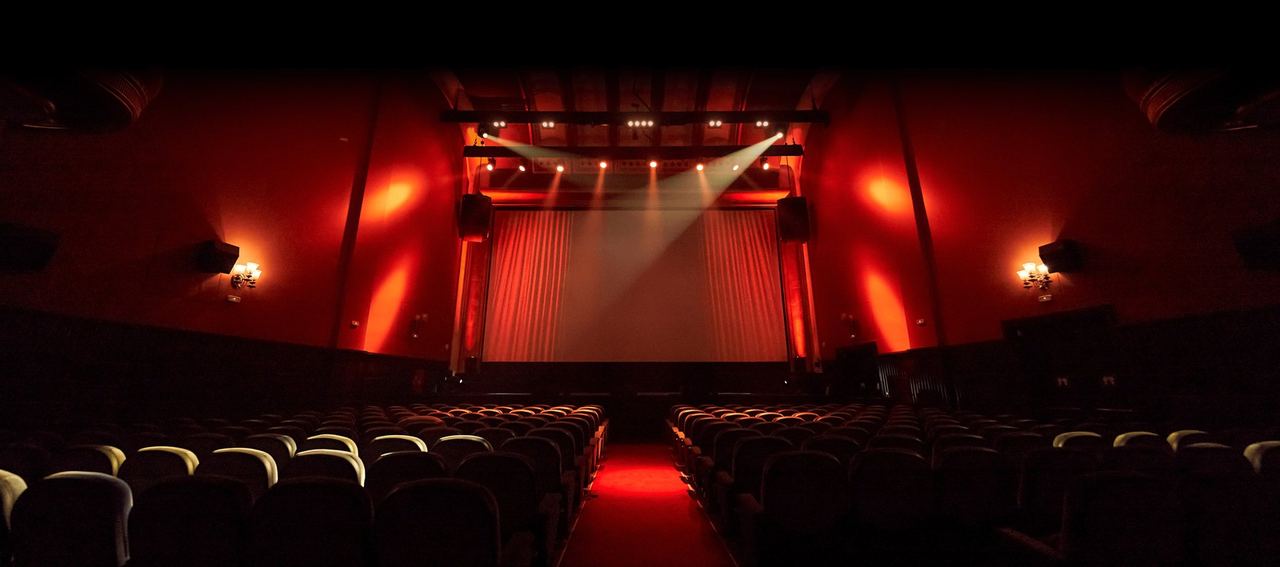
Photo Credit
Image courtesy of © Cines CallaoOur advice: take a guided tour at Espacio Fundación Telefónica in the morning, look up from the Red de San Luis as you leave, and book a seat at Callao for the evening. For the kit worth packing, see our Tech list: it sets the new camera phones, noise-cancelling earbuds, headsets, laptops, tablets and travel smartwatches side by side, figure by figure, and ends with twelve pieces of travel kit chosen for the road.
Why it's on our list
- A tower for a telephone
- Six thousand square metres of ideas
- A hundred years at Callao
Location
The map comes from Google Maps, which sets its own cookies once it loads.
More in depth
 Objects of DesirePichichi’s brick and a neo-baroque crown: Madrid’s restored addressesA 20th-century master’s building in Salamanca and a neo-baroque icon on Infantas, made into homes.
 Objects of DesireSixty millilitres of nerve: the Dry Martini, by the book and by the Gran VíaThe IBA’s Dry Martini, a barman who furnished a bar from London, and where to order one in Madrid.
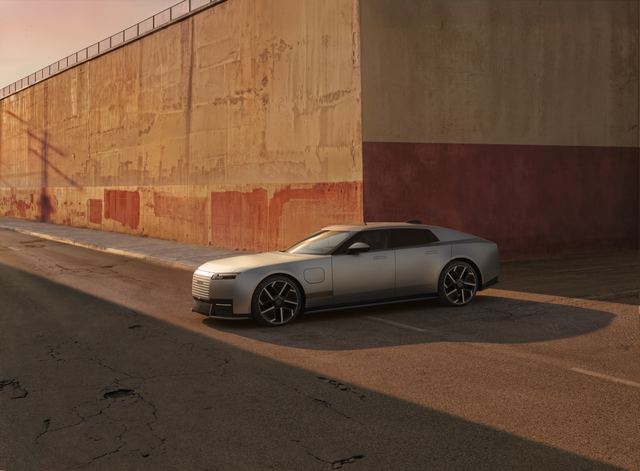 Objects of DesireLess parked than crouched: the electric Jaguar and the new supercarsJaguar’s Type 00 and Type 01, Ferrari’s first electric car and the record-breakers around them.