Objects of Desire
Sixty millilitres of nerve: the Dry Martini, by the book and by the Gran Vía
The IBA’s Dry Martini, a barman who furnished a bar from London, and where to order one in Madrid.
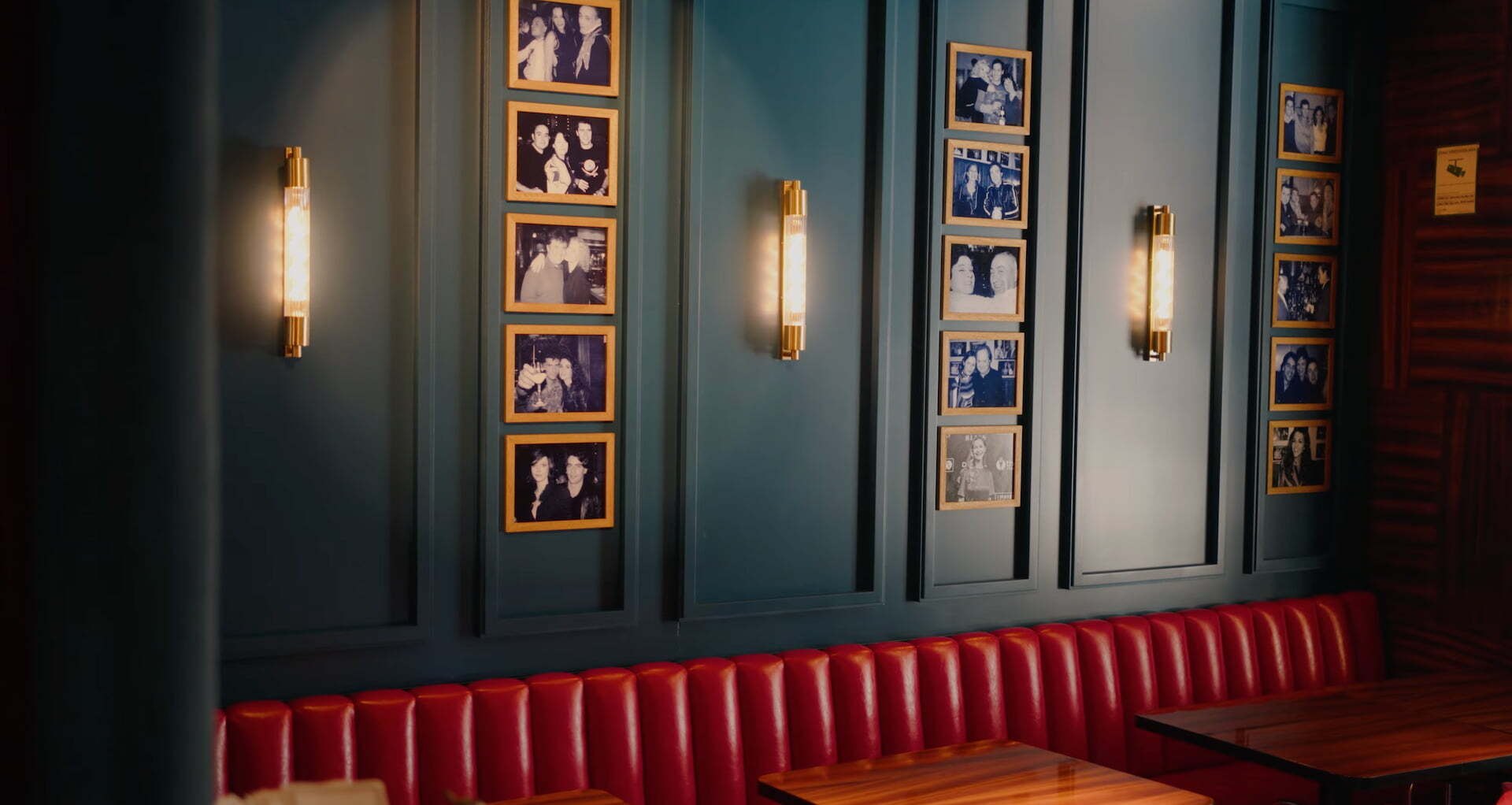
Photo Credit
Image courtesy of © Museo ChicoteWhat is the right Dry Martini? The International Bartenders Association gives one answer in two ingredients; Madrid gives another in a century of bars. Here is the recipe exactly as the IBA writes it, the barman who furnished a Madrid bar from London in 1921 and then opened his own on the Gran Vía, and the counters where the city still stirs one properly.
The recipe, as the IBA writes it
The International Bartenders Association lists the Dry Martini among its “Unforgettables”, and its recipe has two ingredients: 60 ml of gin and 10 ml of dry vermouth. Pour both into a mixing glass with ice, stir well, and strain into a chilled martini glass. Express the oil of a lemon peel over the drink; green olives only if the guest asks for them.
The ratio does the talking: six parts gin to one of vermouth. The vermouth is there in a proportion that makes it closer to a rumour than an ingredient, and the whole art lies in the stirring and the cold. Shaking is not in the recipe; the IBA asks you to stir, and a good barman will not need reminding.
Madrid has a particular claim on the smaller ingredient. The city names an hour after vermouth, la hora del vermut, before lunch, and Bodega de La Ardosa has poured it from the tap since 1892. A Madrileño ordering a Martini is, in effect, asking for the city’s favourite aperitif to be reduced to a whisper; the better bars treat that whisper with respect.
A barman’s city
Madrid’s cocktail history has a name attached to it. In 1921 Perico Chicote and Emilio Saracho travelled from Madrid to London to buy period furniture for an English club, and opened Bar Cock on Calle de la Reina. Luis Buñuel, Salvador Dalí and Miguel Mihura drank there in the 1920s and 1930s; under Chicote it became a pioneer of classic cocktails in the city.
Bar Cock, with its high ceilings and its great fireplace, is known today for its gin and tonics and its classics, and it keeps out photographs as a matter of principle. Order the Martini there and drink it by the fire; the room was furnished for exactly that, and nobody will post it.
In 1985 the bar passed to Teresa Nieto, José Astiárraga and Patricia Ferrer, and every year since it has thrown the party after ARCO, the contemporary art fair: a Martini, it turns out, is the traditional cure for a day of conceptual art.
The vermouth is there in a proportion that makes it closer to a rumour than an ingredient.
Chicote’s own bar opened on the Gran Vía in 1931. Museo Chicote, at Gran Vía 12, calls itself the oldest cocktail bar in Spain, and its archive photographs remember Frank Sinatra and Sophia Loren. Tapas run from 4pm to 11pm and dinner from 7pm to 10.30pm, and the doors stay open until 3am, 3.30am on Fridays and Saturdays; at weekends there is brunch from 1pm, for those who prefer their gin with daylight.
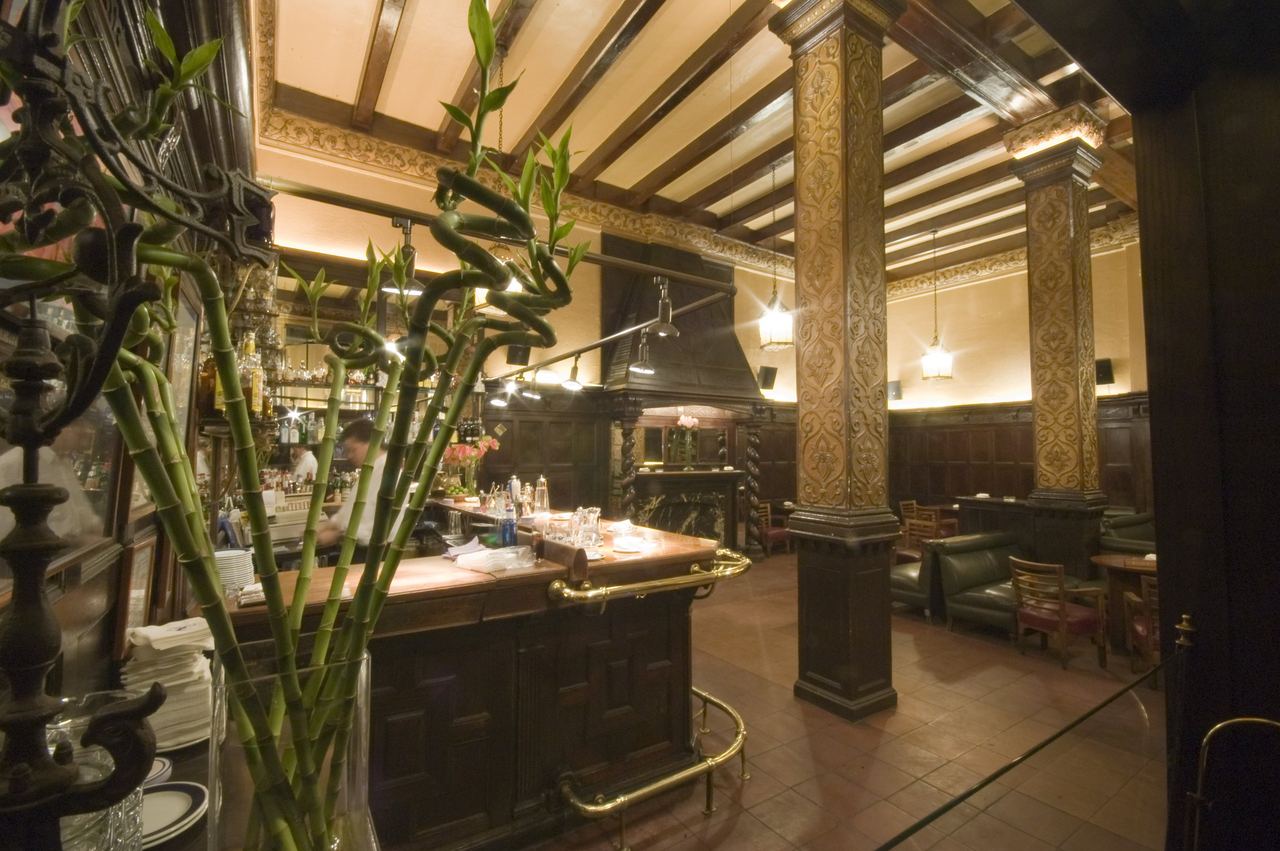
Photo Credit
Image courtesy of © Bar CockWhere to order one
For a quieter glass, 1862 Dry Bar in Malasaña is given to classic cocktails, and Salmon Guru on Calle de Echegaray, an eclectic cocktail bar and restaurant whose team calls itself storytellers with an animal instinct, opens from 4pm to 2am, until 2.30am on Fridays and Saturdays. It closes on 24, 25 and 31 December and 1 January, which is worth knowing before you plan a festive round.
Why does the Martini suit Madrid? Because the city dines at about 9pm, by the tourist office’s reckoning, and the hour before dinner is a long one. A drink of two ingredients, stirred and served very cold, is the right length for it, and it leaves room for the wine that a Madrid dinner, served late and slowly, will certainly bring.
Our advice: ask for it stirred, with lemon, and judge the bar by the temperature of the glass. If a bartender reaches for a shaker, it is not a crime, merely a different drink. Remember that shops stop selling alcohol at 10pm, but the bars, happily, do not.
Why it's on our list
- The recipe, as the IBA writes it
- A barman’s city
- Where to order one
Location
The map comes from Google Maps, which sets its own cookies once it loads.
More in depth
 Objects of DesireLess parked than crouched: the electric Jaguar and the new supercarsJaguar’s Type 00 and Type 01, Ferrari’s first electric car and the record-breakers around them.
 Objects of DesireSpruce, cedar and brick: how Madrid tunes its earGuitar makers since 1882, a national concert hall of 2,324 seats and jazz at the Ateneo.
 Objects of DesireSwitchboards and silver screens: the Gran Vía as a machine for lookingEurope’s first skyscraper, by its own account, and a cinema of 100 years on the Plaza de Callao.